
Your first weeks on the mats feel a lot easier when you know what matters most and what you can safely ignore.
Brazilian jiu jitsu has quietly become one of the most popular ways for adults, teens, and kids to get in shape and learn real self defense without getting punched in the face. It is also one of the most mentally demanding hobbies you can choose in the best way, because every round is like a moving puzzle you solve with your body.
If you are brand new in Simi Valley, the hardest part is not toughness or athleticism. It is walking in with the right expectations. We see it all the time: people worry about being out of shape, being older than everyone else, or not knowing what to do with their hands. Those worries fade fast when you understand how training actually works.
Below are five things we want every new student to know before your first week of training, so you can focus on progress, stay safe, and enjoy the ride.
1. Brazilian jiu jitsu is a long term skill, not a quick challenge
A helpful truth: the belt system moves slowly on purpose. Recent survey data across thousands of practitioners puts average time at white belt around 2.3 years, and the full path to black belt commonly takes a decade or more. That is not meant to intimidate you. It is meant to free you from the idea that you must “catch up” in a month.
In our beginner classes, we care more about your habits than your highlight moments. Showing up, learning the core positions, and building calm reactions under pressure will carry you farther than trying to collect a bunch of techniques you cannot use yet.
What progress should look like early on
Your first wins are usually small and kind of quiet, but they are real:
• You remember how to frame and make space when someone is on top of you
• You stop holding your breath during hard rounds
• You escape side control once, then twice, then more often
• You begin recognizing positions before you feel stuck
• Your confidence grows because you have repeatable answers, not lucky moves
If you train consistently, you can feel meaningful changes in fitness and composure within a few months. Just keep the big picture in mind: brazilian jiu jitsu rewards patience.
2. Safety, tapping, and etiquette matter more than “winning”
Live training is what makes brazilian jiu jitsu special. It is also why safety rules are not optional. The tap is the mechanism that allows us to train hard while reducing injuries. You tap, the action stops. No debates. No delay.
At elite competition levels, chokes account for the majority of submission finishes, and joint locks are still common. That reality tells you something important as a beginner: you need to learn how to recognize pressure early, and you need partners who respect the tap every time.
The habits we expect on day one
You do not need to know fancy rules, but a few basics keep everyone safe and comfortable:
• Tap early and clearly, using your hand on your partner or the mat
• Keep nails trimmed and arrive clean, with fresh training gear
• Remove shoes before stepping on the mats
• Match intensity to your partner, especially in your first month
• Ask questions when you are unsure rather than guessing at speed
Etiquette is not about being formal. It is about being trustworthy. When you become a safe training partner, people want to train with you, and you learn faster.
3. Your first classes will feel confusing, and that is normal
There is a weird moment most beginners hit around week two or three. You learn a technique in drilling, it makes sense, and then you roll and it disappears. Your brain goes blank, your arms do something unhelpful, and you think, “I am not built for this.”
That is not a sign you are failing. That is the learning curve working as intended.
Brazilian jiu jitsu is an environment where timing, balance, posture, and decision making matter as much as strength. Those things take repetitions, and repetition takes time. This is also why good coaching focuses on fundamentals first. Modern jiu jitsu is evolving quickly, with more data, more professional analysis, and more technical depth than ever, but fundamentals still pay the rent.
A better way to measure success in your first 90 days
Instead of judging yourself by taps and submissions, track the basics:
1. Can you keep your elbows in and protect your neck more consistently?
2. Can you regain guard or stand up when you get put on your back?
3. Can you survive longer without panicking or burning out?
4. Can you repeat one escape reliably against a cooperative partner?
5. Can you leave class feeling challenged, not wrecked?
When you focus on these, you build a foundation that keeps working as training gets harder.
4. Consistency beats intensity, especially with a Simi Valley schedule
Simi Valley life is busy. Work commutes, kids sports, school calendars, and the general “how is it already Wednesday” feeling are real. The good news is that you do not need to train every day to improve. You need a sustainable rhythm.
Because belt progression is measured in years, not weeks, consistency is the multiplier. Hard training is great, but hard training followed by long breaks turns into a restart cycle. We would rather see you two to three times a week for a year than five times a week for a month.
A realistic beginner training plan
If you want something simple that works with real life, start here:
• Train 2 to 3 classes per week for the first 8 to 12 weeks
• Add a fourth day only when your joints and energy feel stable
• Take notes after class, even just two sentences about what you learned
• Prioritize sleep and hydration, because recovery is part of training
• If you miss a week, return the next class without “making up” by going too hard
We also recommend you treat classes like appointments. Put them on your calendar. Protect the time. It sounds small, but it is usually the difference between “I tried it once” and “this became part of my life.”
5. Choose a learning path: gi, no gi, and what you should start with
New students often ask whether they should train in the gi or no gi first. Both are valuable, and both can be part of a complete program. The difference is pace and the types of control you learn.
The gi slows things down a little because grips matter. That is helpful when you are trying to understand posture, base, and how to hold someone in place safely. No gi tends to be faster and more scramble heavy, and it can feel closer to wrestling style movement.
Our recommendation for most beginners
For most brand new students training brazilian jiu jitsu in Simi Valley, starting with gi fundamentals is the cleanest way to build a base, then layering in no gi as you gain comfort. It is not a rule, but it is a proven path for learning core mechanics.
No matter which you choose first, your early curriculum should revolve around the same essentials:
• Escapes from bad positions
• Guard retention and how to stand back up
• Maintaining top control without relying on strength
• A small set of reliable submissions taught with safety first
• Takedown basics and how to fall safely
When beginners skip this and chase advanced moves, progress usually feels random. When beginners build the base, progress feels steady.
What to expect in your first class with us
Knowing the flow helps you walk in calmer. While every class has its own focus, a typical first session usually includes a warm up that teaches movement patterns, a technique segment where we drill step by step, and then some form of controlled practice. Depending on the class, you may also do light positional sparring where you start in a specific position and work on one goal.
You can always tell us if you want to ease into live training. We will not throw you into chaos on day one. We would rather you learn how to move, how to stay safe, and how to enjoy coming back.
What to wear and bring
If you are not sure what gear you need yet, keep it simple. For a first visit, comfortable athletic clothing works for many intro sessions, and we can guide you on what to get next. Bring water, arrive a bit early, and plan to ask questions. That is normal here.
Start Your Journey
Building real skill in brazilian jiu jitsu comes down to a few steady principles: train safely, learn fundamentals, and show up consistently long enough for the lessons to stick. If you keep those in mind, you will be surprised how quickly the “confusing” part turns into real confidence.
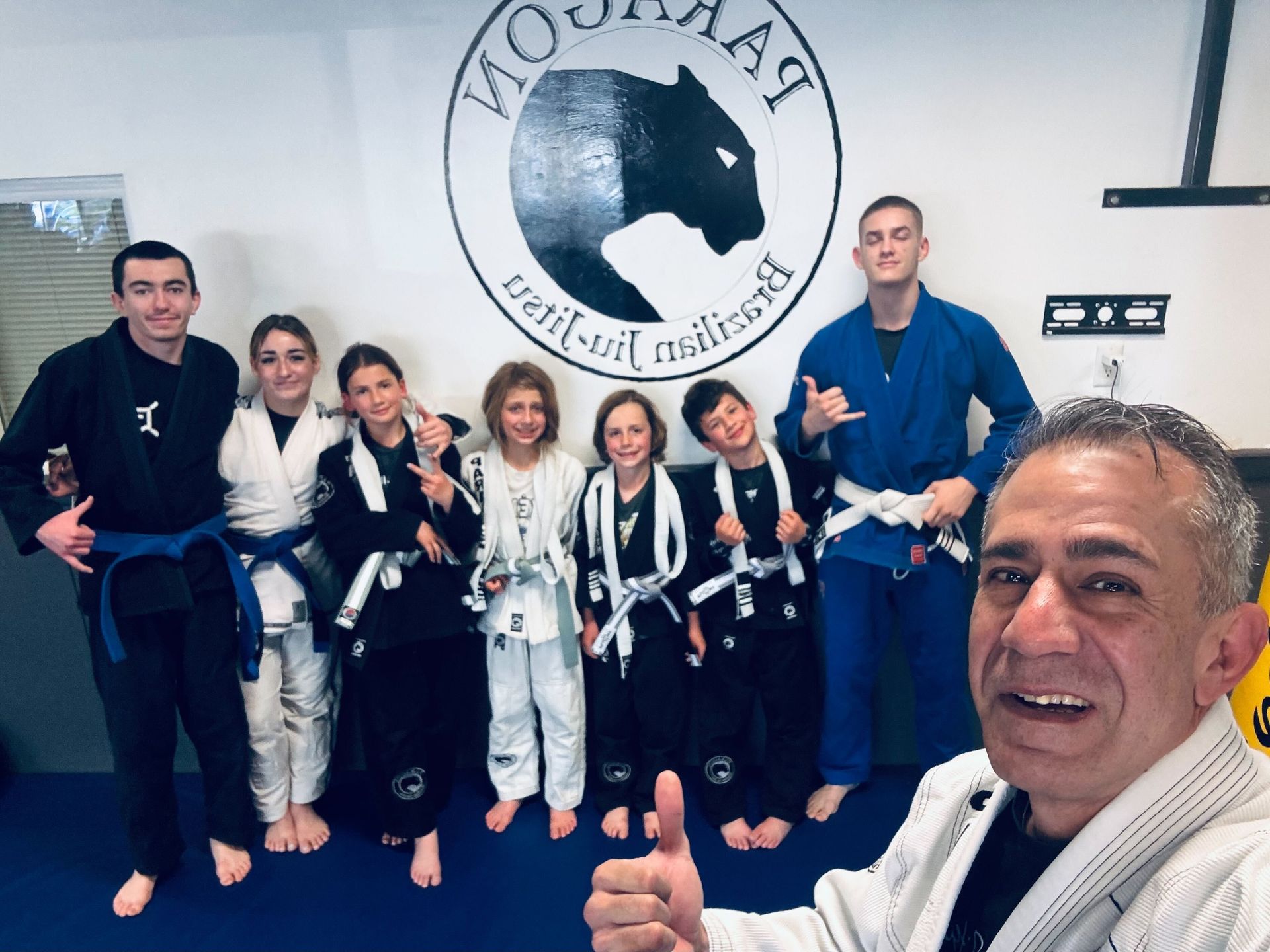
We have designed our beginner experience at Paragon Simi Valley to meet you where you are, whether you are a total beginner, returning after a long break, or balancing training with a packed Simi Valley schedule.
No experience is required to begin. Join a free Brazilian Jiu-Jitsu trial class at Paragon Simi Valley today.