
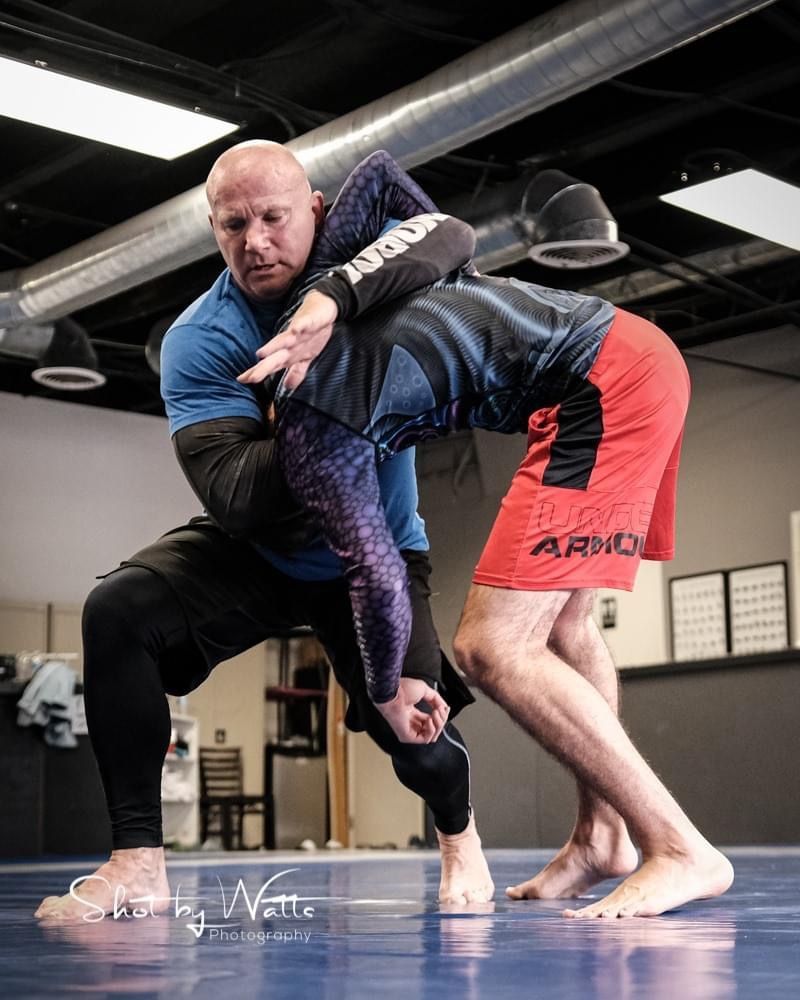
A lot of families are realizing that the right sport can build confidence and character just as much as fitness, and that is exactly where BJJ shines.
Youth sports in Simi Valley have changed. Schedules are busier, kids are dealing with more pressure, and many families want an activity that feels productive without turning every weekend into a stress test. That is why we see more parents asking about brazilian jiu jitsu, not just as a martial art, but as a complete youth sport that builds real skills.
We love team sports, and we also understand why some kids bounce off them. Not every child thrives in tryouts, loud sidelines, or being compared to everyone else. With brazilian jiu jitsu, progress is personal, measurable, and steady, and kids still get the community piece that makes sports fun.
If you have been searching for brazilian jiu jitsu in Simi Valley, you are not alone. Nationally, interest in BJJ has climbed for years, and kids programs have become a major reason families stick with it. We see the same thing locally: kids come in shy, wiggly, anxious, or frustrated, and over time they get calmer, more confident, and more capable.
The youth sports shift we are seeing in Simi Valley
A big reason BJJ is showing up in more family calendars is that parents are prioritizing outcomes that last longer than one season. Strength and cardio matter, but so do emotional skills, focus, and resilience. In a suburb like ours, families often want structure, safety, and clear expectations, and a good jiu jitsu program provides all three.
On top of that, many kids are over specialized early. Year round single sport training can be intense on joints and on motivation. BJJ offers a different kind of athletic development: coordination, mobility, balance, and core strength, with lots of problem solving mixed in. It feels like training the whole kid, not just the body.
There is also a practical reality: kids spend more time on screens than ever. When training becomes a regular rhythm, the mats turn into a healthy alternative that kids actually look forward to. You can feel it when a class starts, the energy shifts, and kids get to be physical in a structured way that still feels like play.
Why brazilian jiu jitsu keeps growing nationwide
BJJ is not a niche hobby anymore. The global market is projected to grow from about 1.2 billion in 2025 to roughly 2.5 billion by 2033, and worldwide participation is estimated in the millions. In the U.S., there are hundreds of thousands of practitioners and tens of thousands of academies, which tells you something important: families can find access, and they are choosing it.
Search interest backs this up too. Over the last two decades, BJJ has risen sharply in popularity, outpacing many traditional martial arts in online interest. That matters because parents usually do homework before they commit. When you see more families asking, reading, and showing up, that is a real trend, not a fad.
What makes this growth especially relevant for youth is that dedicated kids and teen programs are now standard. Roughly half of practitioners worldwide are under 30, which matches what we see on the mats: young people love the combination of athletic movement, challenge, and clear progression.
Why kids thrive in BJJ even if they struggle in other sports
One of the best parts of brazilian jiu jitsu is that it does not require a certain body type to start succeeding. Technique, leverage, timing, and decision making matter. That opens the door for kids who are smaller, less aggressive, or just not into the chaos of a ball chasing sport.
BJJ also teaches calm under pressure. Kids learn how to breathe, how to problem solve, and how to keep trying even when something is uncomfortable. That is a skill set that translates into school and social situations in a way parents notice quickly.
A 2024 survey of children training BJJ found that 96.4 percent reported improved confidence, 87.5 percent reported reduced anxiety, 92.8 percent improved commitment, and 96.4 percent saw life skills transfer outside the gym. Those numbers line up with what we hear from families all the time: better focus, better emotional control, and more willingness to try hard things.
The real difference between BJJ and many martial arts parents picture
When some parents hear martial arts, the first image is punching and kicking. Youth jiu jitsu is different. Our emphasis is grappling, control, and safe problem solving. Kids learn how to manage distance, how to escape holds, how to regain position, and how to protect themselves without needing to rely on strikes.
That difference matters for families who want self defense benefits without teaching kids to throw punches at school. We talk a lot about self control, awareness, and de escalation. The goal is confidence and capability, not picking fights.
And honestly, this is why BJJ fits modern youth sports so well. It is physical, yes, but it is also technical and thoughtful. Many kids who do not enjoy loud competition still enjoy the chess match feel of learning positions, transitions, and escapes.
What makes BJJ a youth sport, not just an after school activity
Traditional youth sports are built around seasons. BJJ is built around progression. Kids can start any month of the year, train consistently, and see measurable improvement without waiting for tryouts or the next registration window.
Progress is also visible in a way kids understand. Belt ranks and stripes give milestones, but the deeper reward is skill acquisition. A child who could not shrimp or bridge comfortably in week one can do it confidently by week four, and you can literally see posture and coordination change.
We also like that kids get individual progress inside a team environment. Training partners matter. Respect matters. Learning to be a good partner is part of being good at the sport. That creates a culture where kids learn both independence and cooperation.
What a typical youth class looks like with us
Parents deserve clarity because walking into a martial arts class can feel unfamiliar at first. Our youth classes are structured and predictable, which helps kids feel safe and helps parents know what is happening.
Most classes include:
- A warm up focused on movement skills like balance, rolls, hip escapes, and getting up safely
- Technique practice where we teach one to two core skills and repeat them with coaching and corrections
- Positional training where kids practice a specific scenario at controlled intensity, like escaping from bottom or holding a safe pin
- A short wrap up that reinforces effort, respect, and how to handle wins and losses the right way
That structure is a big reason kids settle in quickly. We keep it active, but we do not let it turn into chaos. Kids know the expectations, and that consistency builds confidence.
Safety, supervision, and why tapping matters
Parents ask about safety first, and that is the right question. BJJ is a contact sport, but kids programs can be run in a way that is remarkably controlled. Our culture is built around tapping early, listening fast, and protecting training partners.
We match students by age, size, and experience as closely as possible. We also coach the pace of training. Beginners do not get thrown into intense rounds with no context. We teach positions, we teach escapes, and we build intensity gradually.
A lot of injury data in grappling sports tends to skew toward adults and high level competition. For beginner kids learning fundamentals under supervision, the risk profile is very different. The biggest safety factor is culture, and we take that seriously every day.
Bullying, confidence, and the kind of self defense that actually helps
When parents look for BJJ in Simi Valley, bullying concerns are often right under the surface. We approach this carefully. The purpose of self defense is not to win fights, it is to avoid them and get to safety.
Here is what changes for many kids after a few months:
- Body language improves, shoulders up, eyes forward, steadier posture
- Social confidence rises because kids know they can handle physical pressure
- Emotional regulation improves because training teaches patience and recovery after mistakes
- Decision making gets sharper because jiu jitsu rewards calm choices over panic reactions
That combination tends to reduce the chance of being targeted. Confident kids are harder to intimidate, and kids who train learn boundaries and assertiveness without aggression.
How often your child should train to see real progress
Most kids do best with a steady routine that does not overwhelm the family calendar. For many students, two classes per week is a great baseline. It is enough repetition to build skill without burning out.
If your child wants faster progress or is interested in competition, three classes per week can work well, assuming sleep, school, and recovery are in a good place. We would rather see consistent training for years than an intense month followed by quitting. The long game matters in this sport.
Competition is optional, but growth is not
BJJ has a strong youth competition scene, and tournaments can be a positive experience when a child is ready. But competition is never required to benefit from training. Many kids train for confidence, fitness, discipline, and self defense without ever stepping into a tournament.
When kids do compete, we focus on preparation and mindset. Winning is fun, but learning to manage nerves, perform under pressure, and handle outcomes with humility is the deeper value. Those lessons show up at school, at home, and later in life.
What to expect in your first 30 days
Starting something new can feel like a lot, especially for kids who are cautious. We keep onboarding simple, and we help new students settle in.
A realistic first month often looks like this:
1. Week 1: Learning basic safety rules, tapping, and how class flows, with lots of movement drills
2. Week 2: Recognizing a few key positions and practicing simple escapes and controls
3. Week 3: Feeling more comfortable with partner work and beginning light positional rounds
4. Week 4: Remembering sequences, asking better questions, and showing noticeable confidence changes
Most kids relax after three to five classes. Parents often tell us the first big shift happens at home: better listening, better patience, and a little more pride in effort.
Take the Next Step with Paragon Simi Valley
If you want a youth sport that builds real athleticism, real confidence, and real self control, brazilian jiu jitsu checks an unusual number of boxes. It is challenging without being exclusive, structured without being rigid, and practical in a way that makes sense for modern families in Simi Valley.
We have built our youth programs at Paragon Simi Valley to feel safe, welcoming, and purposeful from day one, so your child can grow at a pace that fits your family. When you are ready, we would love to show you how our classes work and what your child can become with consistent training.
Experience authentic Brazilian Jiu-Jitsu training by joining a free trial class at Paragon Simi Valley.